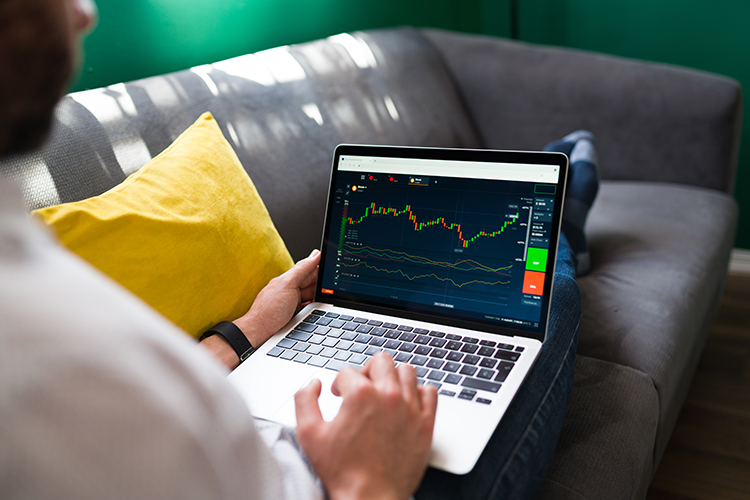
In recent years, algorithmic trading has revolutionized financial markets, enabling traders to execute transactions at speeds and frequencies beyond human capabilities.
This article explores the rise of algorithmic trading, its impact on financial markets, key strategies employed, and the future outlook of this rapidly evolving field.
Understanding Algorithmic Trading
Algorithmic trading, also known as algo trading or automated trading, involves the use of computer algorithms to execute trading strategies with minimal human intervention. These algorithms are programmed to analyze market data, identify trading opportunities, and execute orders based on predefined criteria.
Algorithmic trading has become increasingly prevalent across various asset classes, including stocks, futures, currencies, and derivatives.
Key Components of Algorithmic Trading
- Market Data Analysis: Algorithms analyze real-time market data, including price movements, trading volume, and order book dynamics, to identify patterns and trends.
- Trading Strategies: Algorithms implement various trading strategies, such as arbitrage, market making, statistical analysis, and trend following, based on quantitative models and historical data.
- Order Execution: Algorithms execute large volumes of orders at high speeds, optimizing trade execution and minimizing transaction costs.
Benefits of Algorithmic Trading
1. Speed and Efficiency
Algorithmic trading operates at speeds far exceeding human capabilities, enabling rapid execution of trades in milliseconds or microseconds. This speed is crucial for capturing fleeting market opportunities and minimizing price slippage.
2. Reduced Emotion and Bias
Algorithms trade based on predefined rules and quantitative analysis, eliminating emotional biases that can affect human decision-making. This disciplined approach helps maintain consistency in trading strategies.
3. Increased Liquidity
Algorithmic trading enhances market liquidity by providing continuous buy and sell orders. Market makers and liquidity providers use algorithms to facilitate trading and narrow bid-ask spreads, benefiting all market participants.
Common Algorithmic Trading Strategies
1. Arbitrage Trading
Arbitrage strategies capitalize on price discrepancies between different markets or financial instruments. Algorithms identify mispricings and execute simultaneous buy and sell orders to profit from price differentials.
2. Market Making
Market makers use algorithms to provide liquidity by quoting both buy and sell prices for a specific asset. Algorithms adjust prices dynamically based on market conditions to balance supply and demand.
3. Statistical Arbitrage
Statistical arbitrage strategies exploit quantitative models and statistical analysis to identify patterns and anomalies in market data. Algorithms execute trades based on statistical correlations and deviations from historical norms.
Challenges and Considerations
1. Technology and Infrastructure
Algorithmic trading requires robust technology infrastructure, including high-speed internet connections, low-latency trading platforms, and co-location services near exchanges to minimize latency.
2. Risk Management
Despite its benefits, algorithmic trading carries risks, including technological failures, execution errors, and market volatility. Implementing effective risk management controls is crucial to mitigate these risks.
The Future of Algorithmic Trading
1. Machine Learning and AI Integration
Advancements in machine learning and artificial intelligence are reshaping algorithmic trading. Algorithms can learn from data, adapt to changing market conditions, and improve performance over time without human intervention.
2. Regulatory Landscape
Regulators are closely monitoring algorithmic trading to ensure market integrity and fairness. Regulations governing algorithmic trading practices, market manipulation, and cybersecurity are evolving to address technological advancements.
Conclusion
Algorithmic trading has transformed financial markets, offering speed, efficiency, and liquidity while reshaping trading practices worldwide. As technology continues to evolve and algorithms become more sophisticated, the future of algorithmic trading holds promise for further innovation and adaptation.
Traders and financial institutions leveraging algorithmic trading must navigate technological challenges, implement robust risk management strategies, and stay attuned to regulatory developments to capitalize on its potential effectively.